FOOD
UNIT
Das Essen
It’s been quite a while since I’ve written curriculum. I’d
forgotten how much fun it is. Anyway, I love food. This month will be devoted
to food.
Day
1 - Mittwoch, 3 Juni
Starting off the day with vocabulary and thinking about
the week’s topic.
Vegetables!! It’s perfect.

The vegetable garden is coming
along nicely, with a few notable exceptions – the beans didn’t sprout, and I
swore I planted more than 3 bok choi seeds. That’s what comes from resorting to
the hardware store to snatch up whatever they have left. I tried to order from
Burpee’s and Territorial Seed Company, but they weren’t taking orders! Horrors!
The Coronavirus Catastrophe caused the entire world to decide to buy seeds, grow
a garden, and achieve self-sufficiency. Well, I don’t know how many gardens
actually got planted, are growing, and will be harvested with the veggies
canned and frozen, but I’m betting not a whole heck of a lot. When the seed
companies finally reopened their online ordering, they were out of a lot of
stuff. So, making do, I schlepped to Tractor Supply, the grocery store, and the
hardware store to see what I could find. Got quite a bit piecemeal, but note to
self:
ORDER
IN JANUARY NEXT YEAR
On
to Vocabulary and assessing prior knowledge.
I know there are 8 parts of speech: nouns, pronouns,
adjectives, verbs, adverbs, prepositions, conjunctions, and interjections (ejaculations
we were taught to call them back in the day, but that’s taken on a whole new
meaning).
Nouns are used to give objects names. German nouns have
gender, and there are three genders: der -masculine, die - feminine,
and das - neuter. Figuring out a noun’s gender isn’t always easy. Some
make sense (die Frau -woman) while others don’t (das Mädchen –
girl). So, when learning a new noun, it’s imperative to learn its correct definite
article –der, die, oder das - as part of the word itself. Which
it is. One additional bit of info: all plural nouns have the same article: die.
And in that last sentence, I decided to use oder
instead of or because I knew the German word. I’m going to do this
throughout this journey. More and more, as my German gets better and better, I’m
going to increase my usage of German until, hopefully, by the end of the year,
these posts will all be written auf Deutsch.
Today’s
Top 10
I’m going to try an experiment. Where I can, I’m going to
not write the English vocabulary word but use a picture instead. Wondering if
associating the German word with the object and eliminating the English
middleman will get better results.
Das Gemüse – die Gemüse
- der Mais
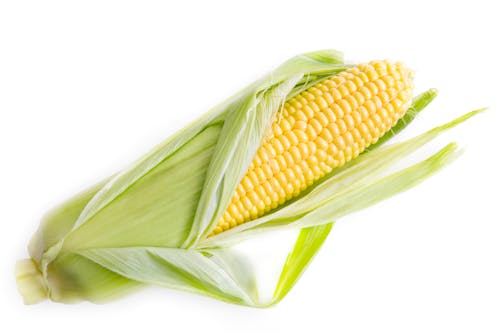
- der Spinat
- die grüne Bohne (n)
- die rote Beete (n)
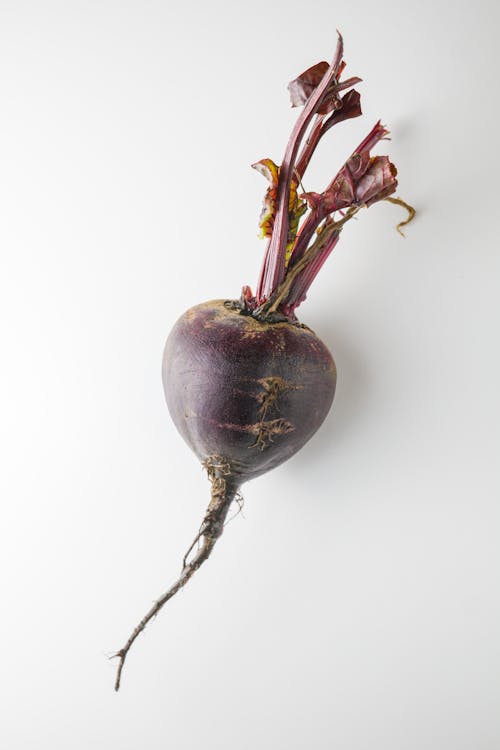
- die Karotte (n)
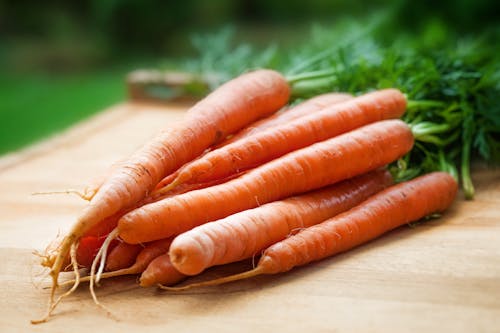
- das Brokkoli

- der Blumenkohl
- der Kohl
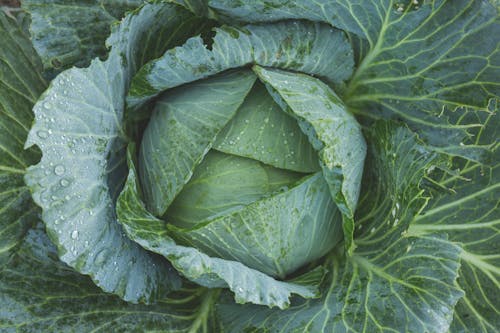
- der Paprika (s) * not to be confused with the condiment der Pfeffer!
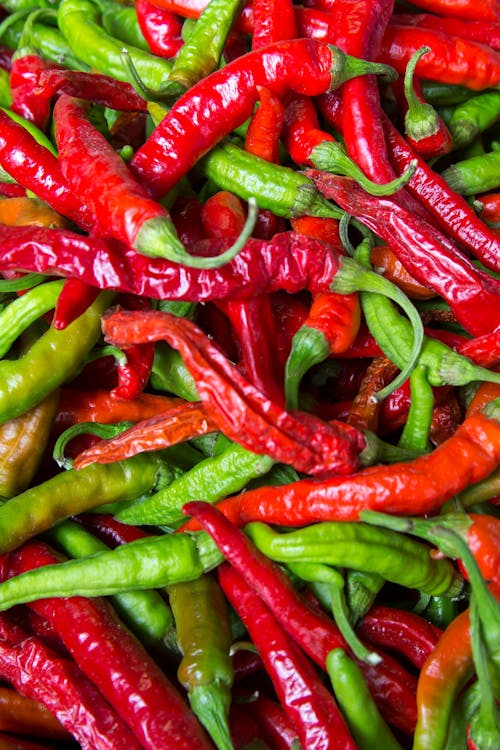
- der Salat


Pronunciation help on Google Translate and it’s free!
After another cup of fortifying coffee, I settled into my
armchair and headed to FB. I decided to
stop at the first post I found that was written in German. It belonged to Die
Schlagerpiloten offizielle Fangruppe.
For the first time, I really studied
the title.
Die Schlagerpiloten - That was easy. There are 3 singers in the group
who sing Schlager music while dressed in airline pilot uniforms. Der Pilot is the German word for pilot. Since there are
3 guys, the article becomes die and the plural form of Pilot is Piloten.
That’s actually stealing from tomorrow’s grammar lesson, but I thought it
was kind of interesting. More on noun plural forms tomorrow.
Die is the article used for plurals.
Schlager + Piloten = Schlagerpiloten. It’s a word made up
of two nouns (that’s a compound noun). When you make a compound noun (and
German can get really, really long compound nouns), only the first noun is capitalized
and the next one just follows along as if it were part of the original word all
along. Clever! And, I looked up Gruppe in the dictionary and found out
it is feminine. Compound nouns always take the gender of the last noun in the
series.
offizielle – adjectives
aren’t capitalized. (All German nouns are capitalized. That makes decoding
German writing a bit easier!) This word looks a lot like its English
counterpart.
Fangruppe – another compound noun: Fan + Gruppe. Since Gruppe is
feminine, the compound noun is die Fangruppe.
And now I’m going to listen to a song by this group on
YouTube. I just type in Schlagerpiloten YouTube and a whole bunch of songs pop
up. It’s like shopping in a musical candy store. I don’t understand all the
words, but I’m going to enjoy the music – Schlager has such a nice rhythm - and
understand as much as I can.
Later, I’ll type the title and group name into an
online search, adding songtext to the search. Not always, but many times
the lyrics will come up (in German) and I can print them out and refer to them
while I’m listening to the song. If I get really ambitious, I can look up the
words I don’t know and write them in.
Day 1 ist komplett.




No comments:
Post a Comment